Tips for Building a Dance Community in Retirement
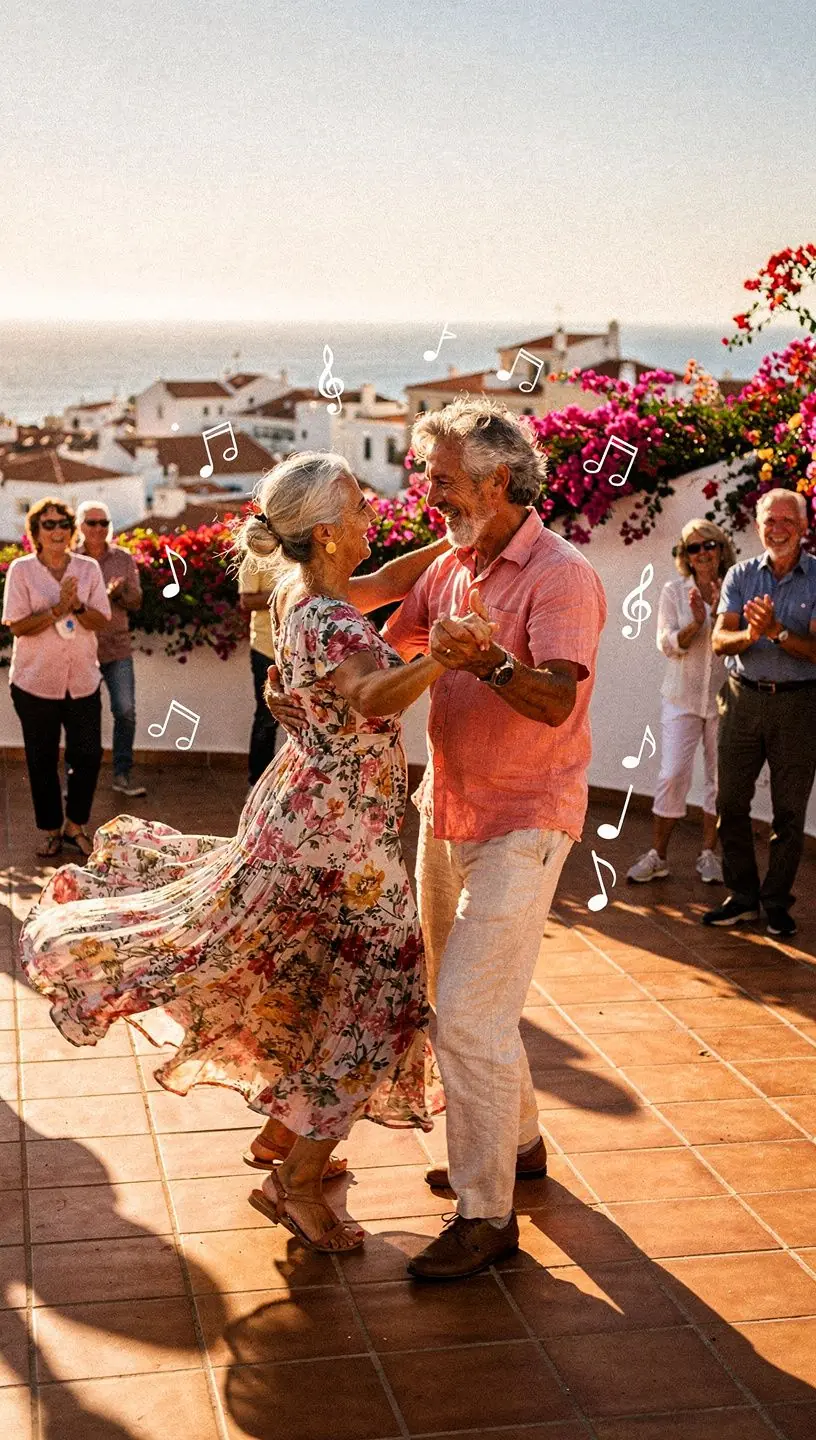
Creating a vibrant dance community in retirement can enhance your social life and overall well-being. This article provides realistic tips for building a supportive dance community, combining coaching services with organized salsa and bachata events.
Understanding the Benefits of Dance Communities
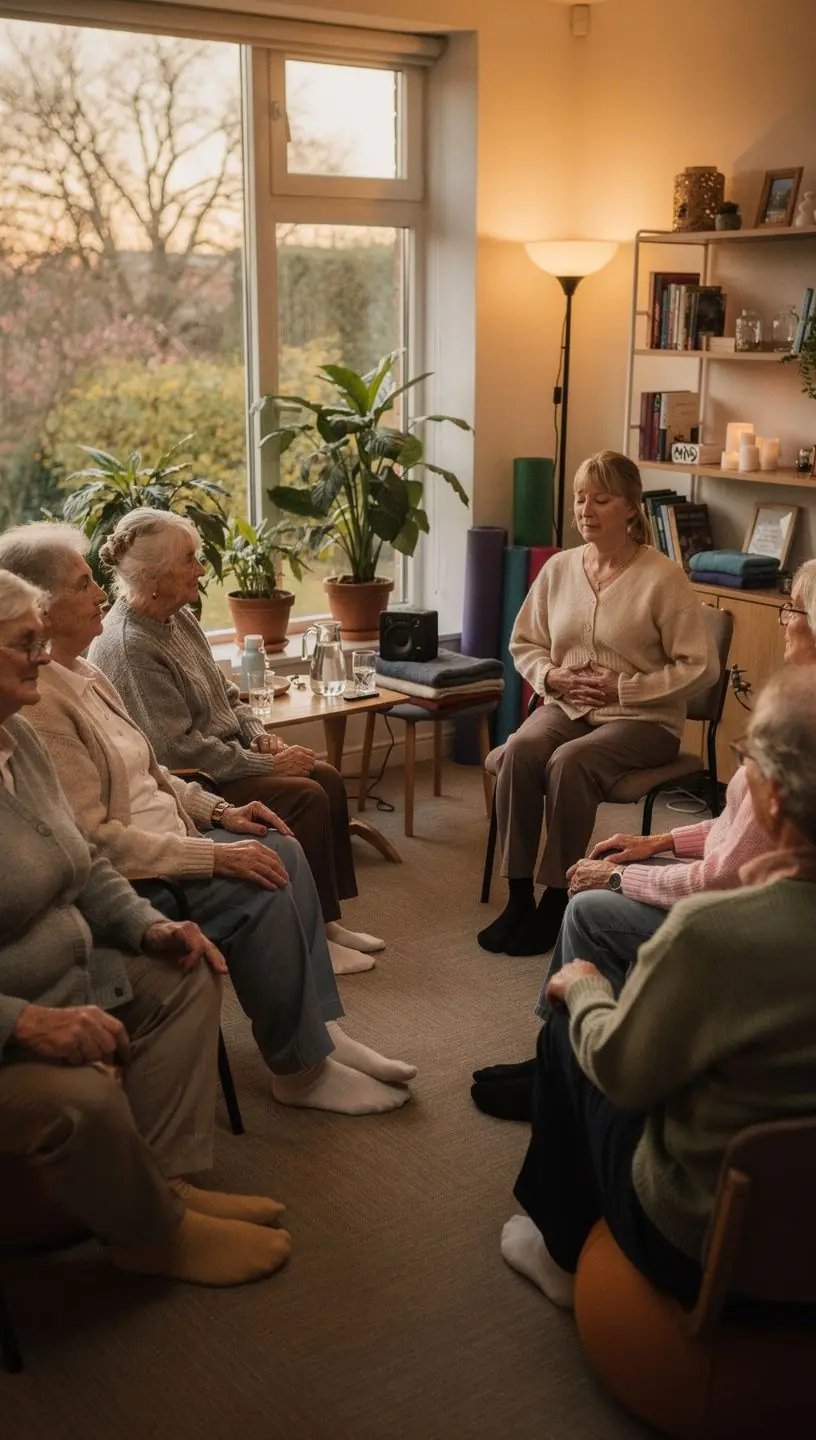
Participating in a dance community can provide numerous benefits for retirees. According to research, engaging in social activities, such as dancing, can improve mental health and reduce feelings of loneliness. Many users report that being part of a group fosters a sense of belonging and supports emotional well-being.
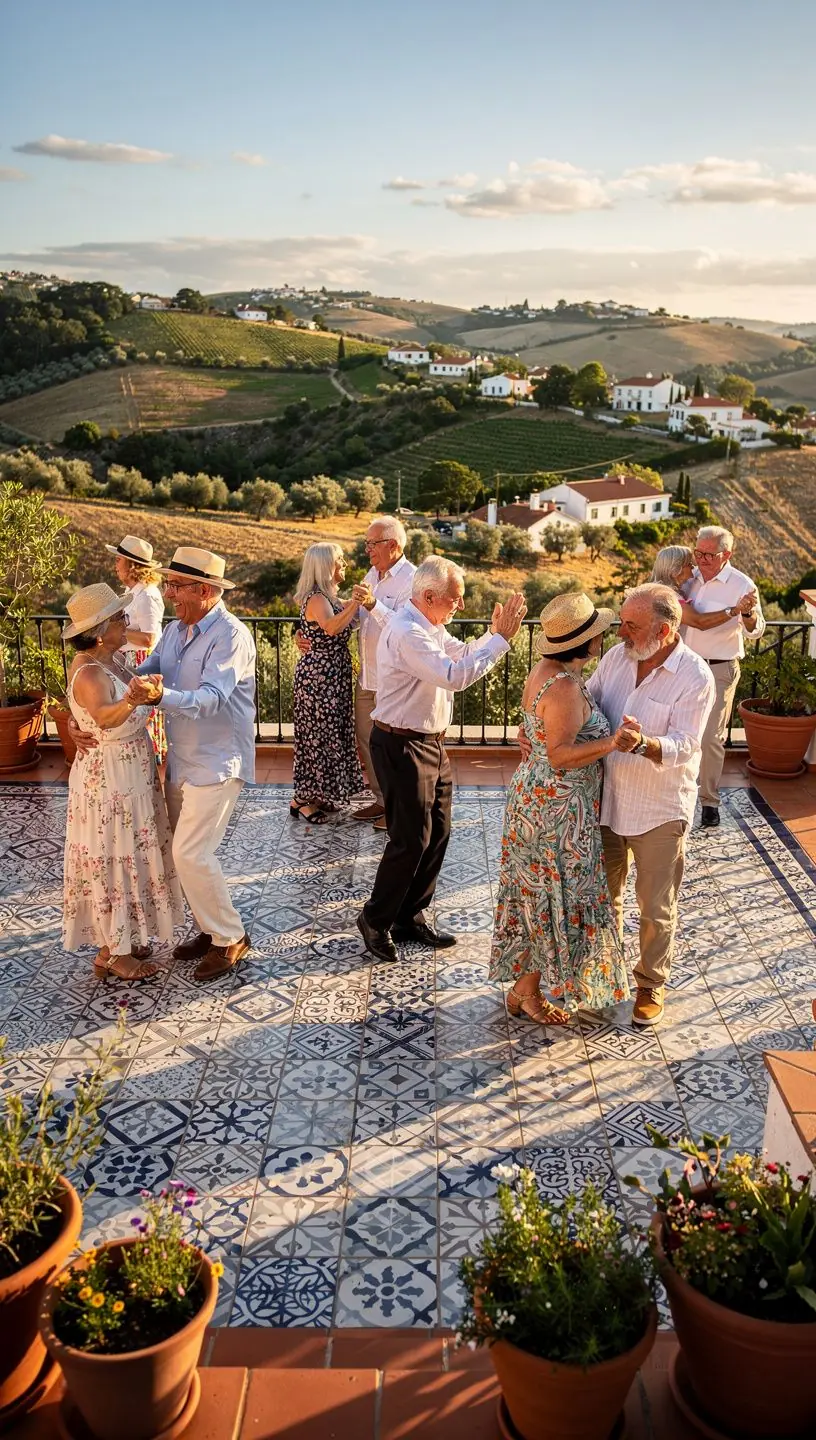
"Dance is not just movement; it's a way to connect with others and enhance your quality of life." - Dance Health Research Institute
Practical Steps to Build Your Dance Community
Building a dance community requires careful planning and consistent effort. Here are some effective strategies:
- Start Small: Begin by inviting a few friends or acquaintances who are interested in dancing. This helps create a comfortable environment. According to industry experts, smaller groups often allow for more meaningful interactions.
- Choose the Right Venue: Selecting a suitable location is crucial. Look for spaces that are accessible and welcoming. Many communities recommend local community centers or dance studios that host events for seniors.
- Organize Regular Events: Establish a regular schedule for dance classes and social events. Research shows that consistency can enhance engagement and motivation among participants.
Incorporating Coaching Services
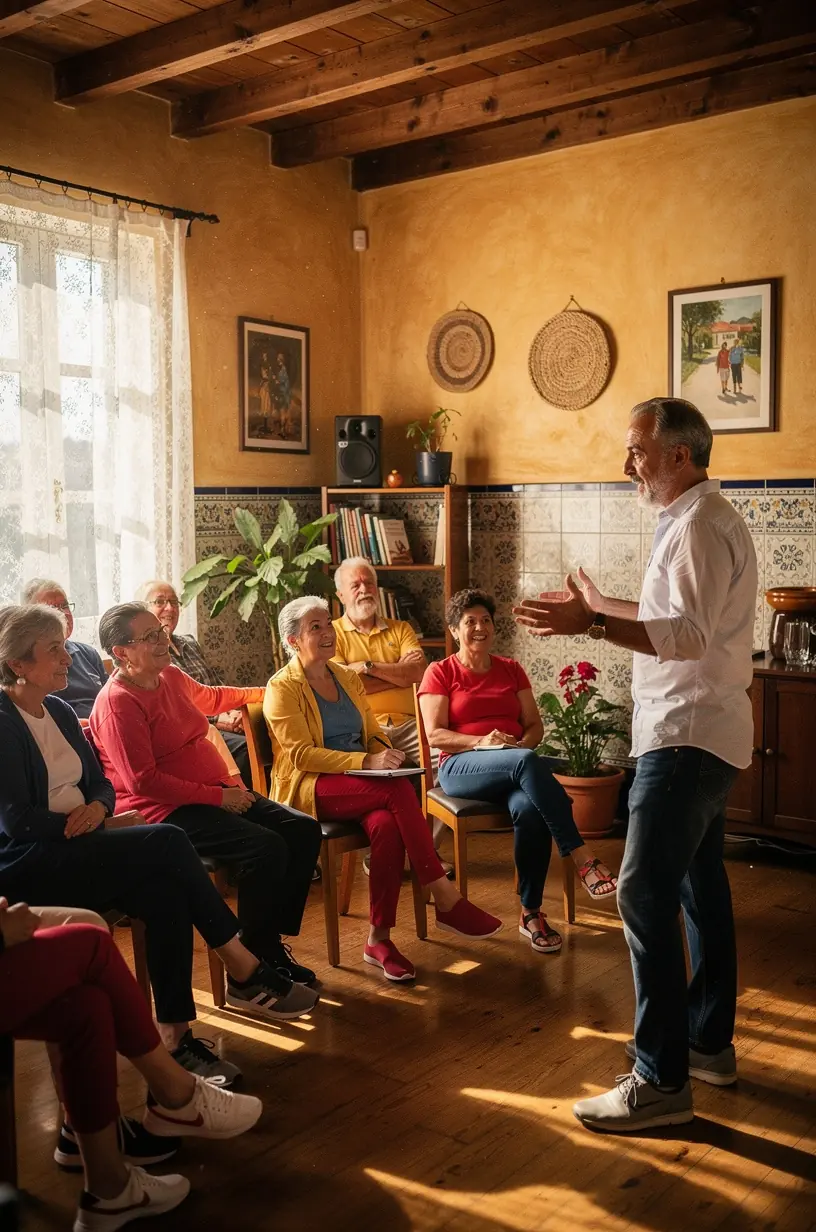
Incorporating coaching services can elevate the experience of your dance community. Experts in the field suggest that professional instruction can help members improve their skills and build confidence. Here’s how to effectively integrate coaching:
- Hire Qualified Instructors: Look for instructors with experience in teaching seniors. They should be able to tailor lessons to accommodate varying skill levels and physical abilities.
- Offer Workshops: In addition to regular classes, consider hosting workshops that focus on specific styles of dance, such as salsa or bachata. This can engage members and introduce them to new techniques.
- Provide Feedback: Encourage instructors to give constructive feedback to participants. This can help members improve and feel more invested in their dance journey.
Challenges to Anticipate
While building a dance community can be rewarding, it’s important to acknowledge potential challenges:
- Time Commitment: Organizing events typically requires a consistent time commitment from all members. Expect to dedicate several hours each week to planning and promoting activities.
- Varied Skill Levels: Participants may have different levels of experience. This can require careful management to ensure everyone feels included and challenged appropriately.
Conclusion
Creating a dance community in retirement can be an enriching experience that fosters connections and personal development. By focusing on educational value and practical insights, you can establish a supportive environment that enhances the quality of life for all members. Remember to set realistic expectations regarding the time and effort needed to build and maintain this community. Your dedication can lead to lasting friendships and joyful experiences through dance.