How Social Dancing Enhances Wellbeing in Retirement
Retirement is often seen as a time to relax and enjoy life after a long career. However, maintaining physical and mental wellbeing during this phase is crucial. Engaging in social dancing, particularly styles like bachata and salsa, can offer numerous benefits that contribute to a fulfilling retirement lifestyle.
Understanding the Benefits of Social Dancing
According to research, social dancing can significantly enhance both physical and mental health, particularly for older adults. The physical activity involved in dancing helps maintain cardiovascular health, improve balance, and enhance overall fitness levels. Studies show that regular participation in dance can reduce the risk of chronic diseases, such as heart disease and diabetes, by promoting an active lifestyle.

From a mental health perspective, social dancing can reduce feelings of anxiety and depression. Experts recommend that engaging in activities that foster social connections, like dancing, can lead to improved mood and a greater sense of belonging. This is particularly important during retirement, as many individuals may experience feelings of isolation.
"Engaging in regular social activities, such as dancing, has been linked to increased happiness and satisfaction in retirement." - Dr. Susan Miller, gerontologist.
How Social Dancing Works for Wellbeing
The principles behind social dancing’s impact on wellbeing are multifaceted:
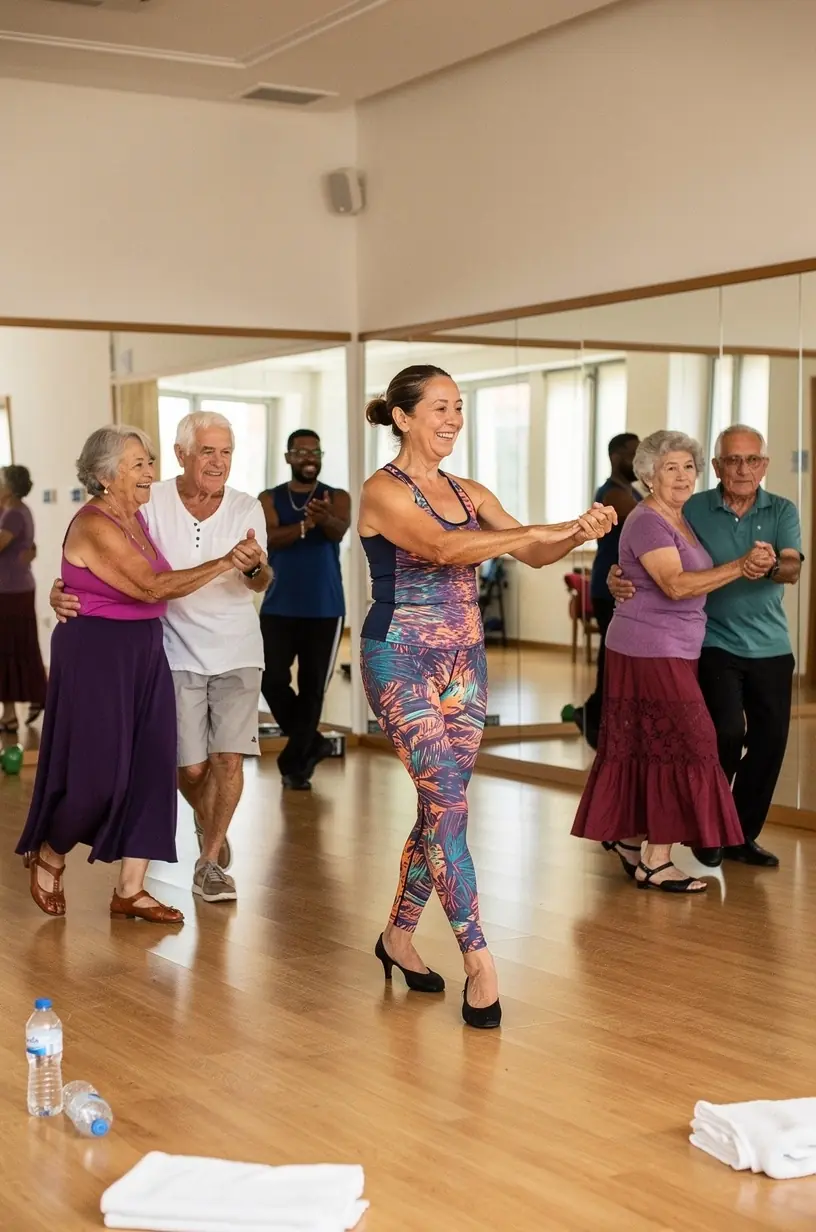
- Physical Engagement: Dancing involves various movements that enhance strength, flexibility, and coordination. These physical benefits can help maintain independence in daily activities.
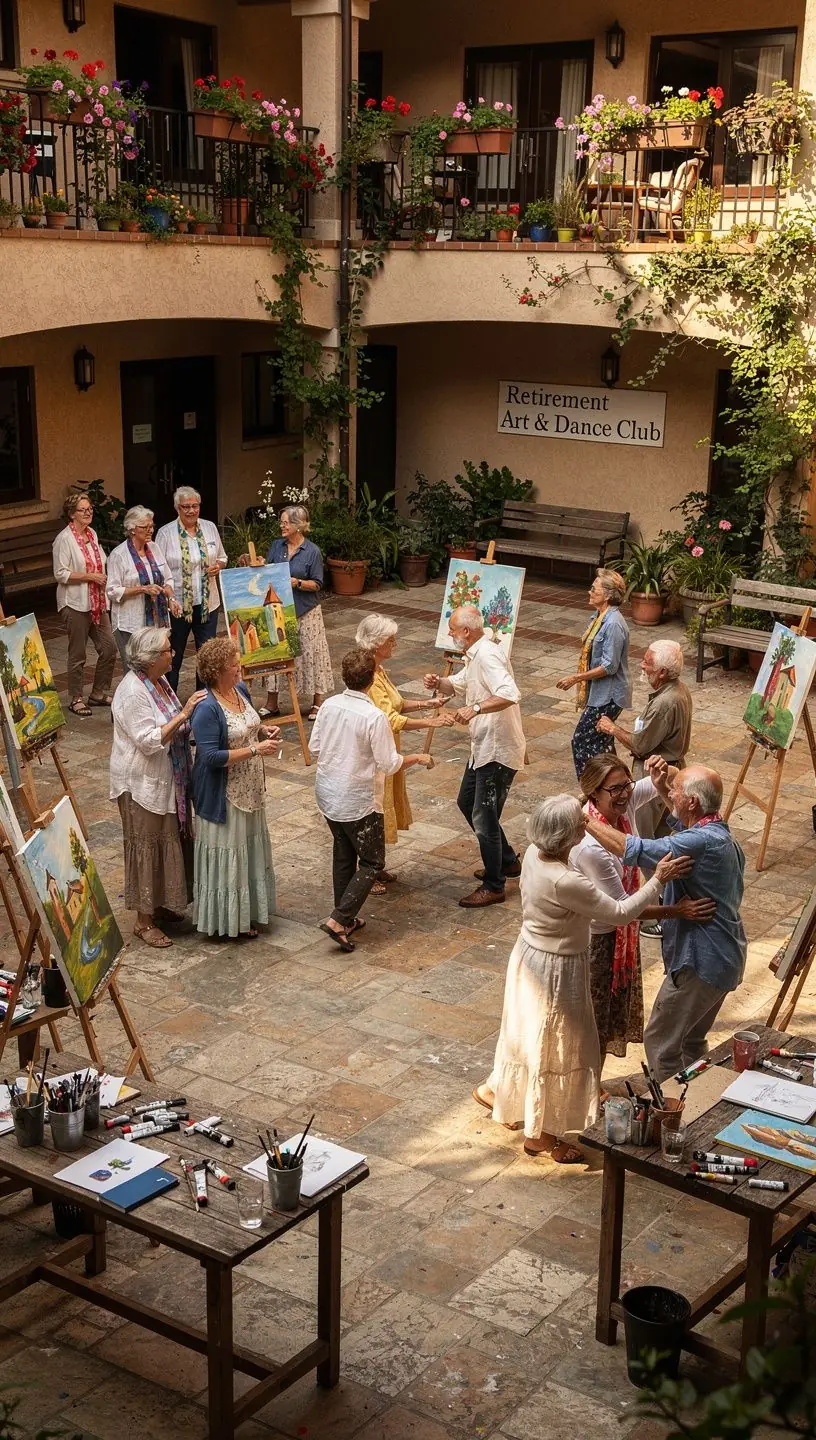
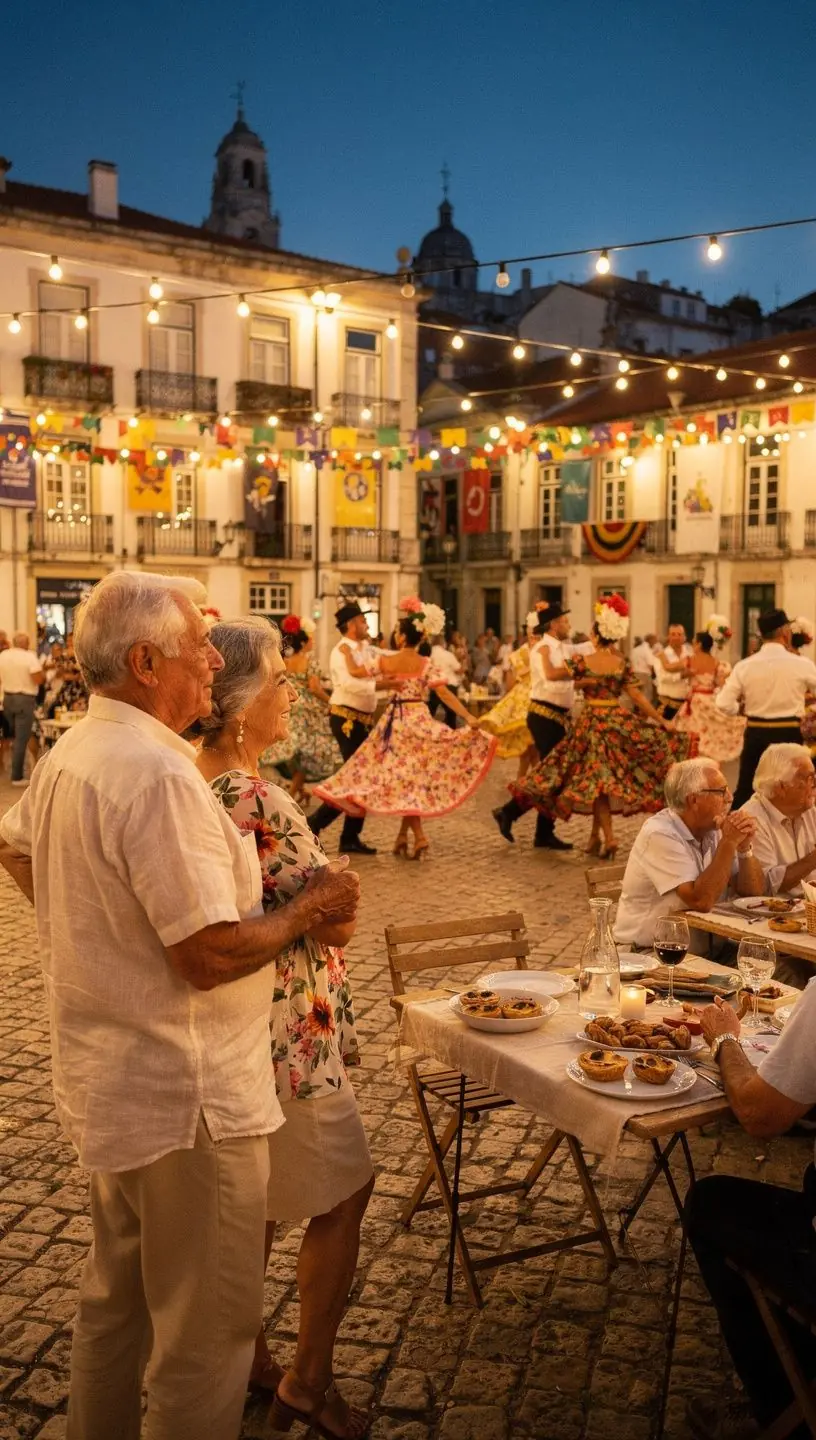
- Social Connectivity: Participating in group classes or events allows retirees to meet new people and build friendships, which can alleviate feelings of loneliness.
- Mental Stimulation: Learning new dance steps and routines requires cognitive engagement, keeping the mind sharp and improving memory function.
Practical Steps to Get Started
If you're considering incorporating social dancing into your retirement routine, here are some practical steps:
- Find a local dance class that offers bachata or salsa lessons suitable for beginners. Many classes cater specifically to older adults.
- Set aside time in your weekly schedule to attend classes regularly. Consistency is key, as improvements typically become noticeable after 4-6 weeks of practice.
- Engage with fellow dancers outside of class to foster friendships and enhance your social circle.
Acknowledge the Limitations
While social dancing can be beneficial, it's important to acknowledge some limitations. The learning curve may vary, and some individuals might find it challenging to keep up with the pace. Additionally, those with certain medical conditions should consult with healthcare professionals before starting any new physical activity. Social dancing may not suit everyone, especially those who prefer quieter forms of exercise.
Conclusion
In summary, integrating social dancing into your retirement lifestyle can offer various benefits for both physical and mental wellbeing. While it requires some dedication and time, the potential rewards—improved health, social connections, and enhanced happiness—make it a worthwhile pursuit. As you explore this vibrant activity, remember that the journey of learning and connecting through dance can be just as rewarding as the outcomes.