The Connection Between Dance and Physical Health
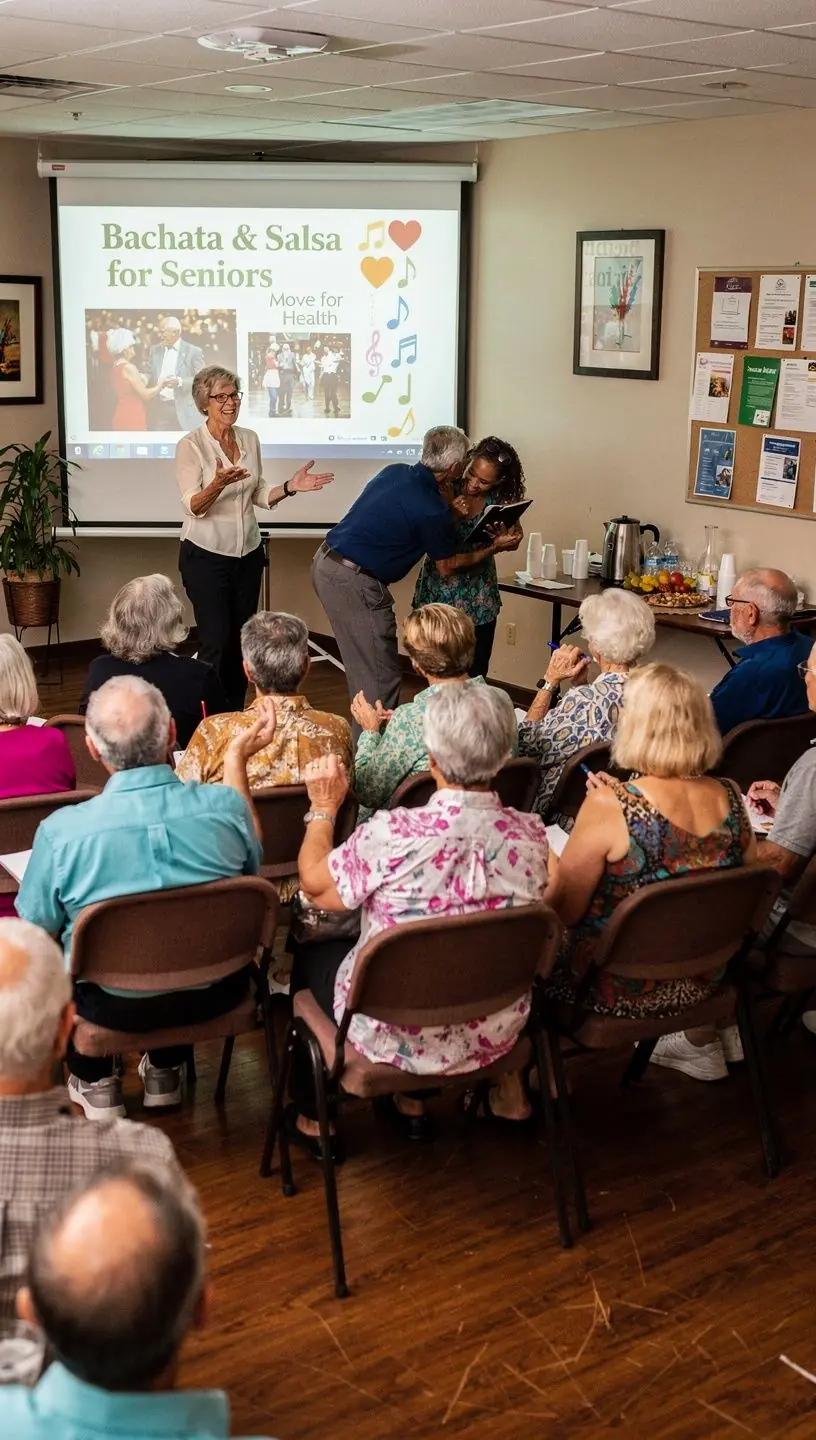
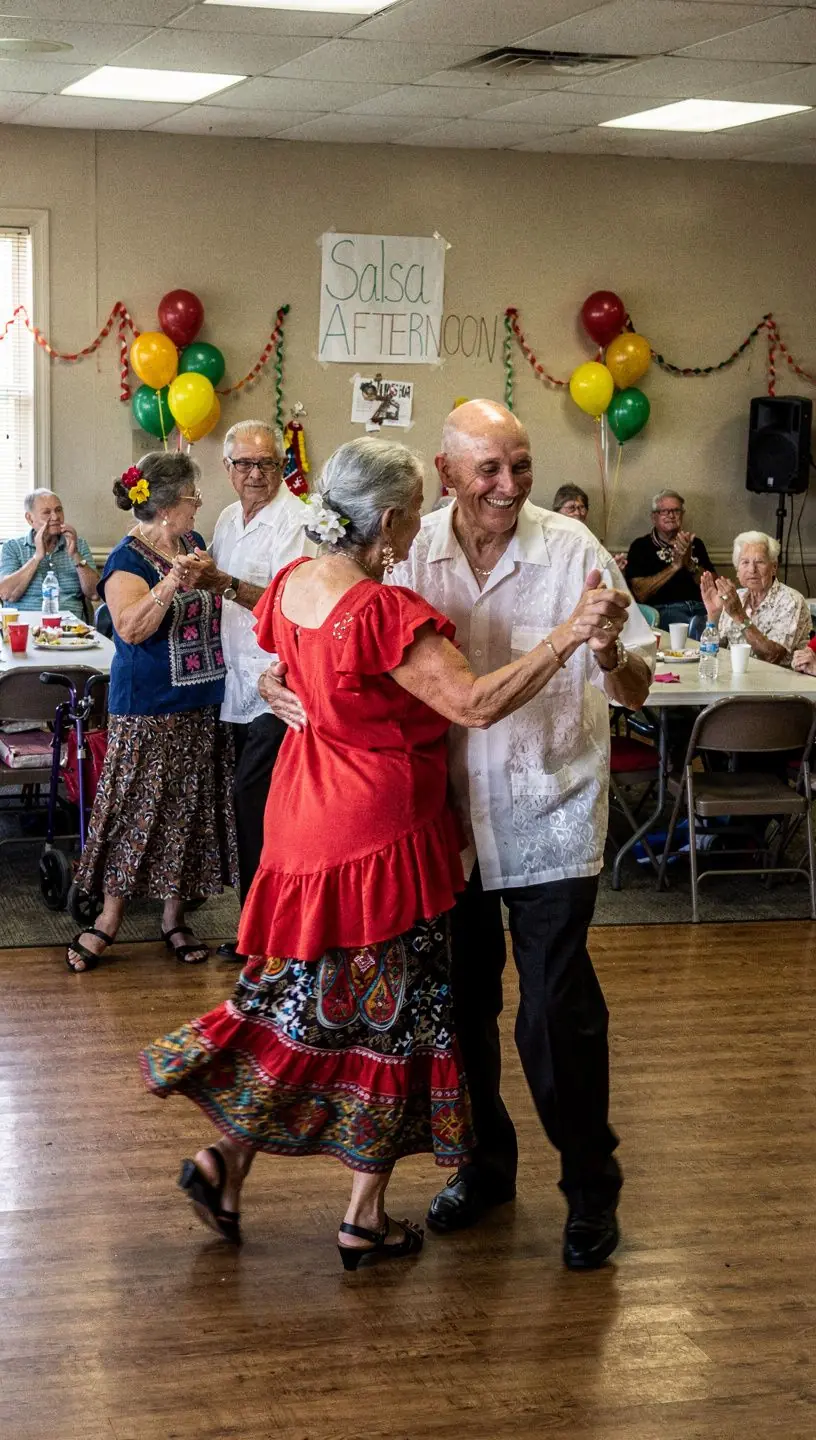
As more people enter retirement, many are exploring hobbies that not only bring joy but also contribute to their physical well-being. One such activity is dancing, particularly styles like bachata and salsa. This article delves into the connection between dance and physical health, highlighting the benefits, methodology, and realistic expectations for those considering dance as a pathway to enhanced fitness.
Understanding the Health Benefits of Dance
Dancing is not just a social activity; it also offers numerous health benefits that have been supported by various studies. According to research published in the Journal of Physical Activity and Health, engaging in dance can improve cardiovascular health, balance, and flexibility. Regular participation in dance classes is typically associated with increased muscle strength and endurance.
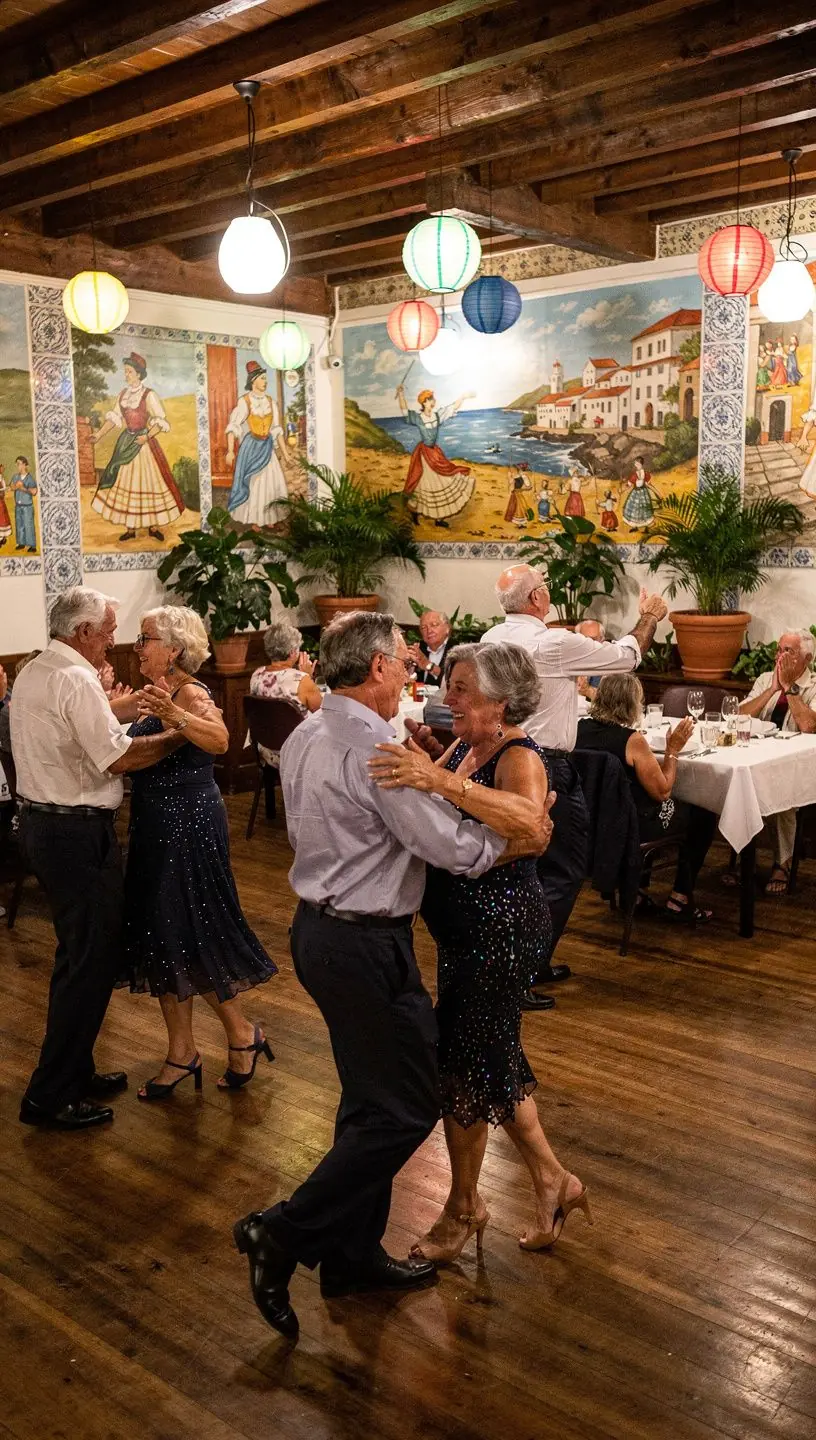
"Studies indicate that dance can enhance overall physical and mental well-being, making it an effective form of exercise for older adults."
How Dance Contributes to Physical Health
The principle behind the health benefits of dance lies in its multifaceted approach to fitness. Here are some ways in which dance contributes to physical health:
- Cardiovascular Exercise: Dance often elevates heart rates, providing a workout similar to traditional aerobic exercises. Studies show that activities like salsa and bachata can increase heart health and lower risks of cardiovascular diseases.
- Improved Coordination and Balance: Regular dancing tends to enhance body awareness and coordination. According to experts, this can lead to better balance, which is crucial for preventing falls in older adults.
- Flexibility and Strength: The varied movements in dance can promote increased flexibility and muscle tone. Many users report feeling more agile and strong after consistent participation in dance classes.
Setting Realistic Expectations for Dance as Exercise
While dance offers a range of health benefits, it is important to approach it with realistic expectations. Engaging in dance typically requires a commitment of time and effort:
- Most dance classes last about 60-90 minutes, and attending 2-3 times a week is often recommended for optimal benefits.
- Learning complex dance moves can involve a learning curve; however, many find this to be an enjoyable process that fosters social connections.
- Results in terms of physical improvement may generally be noticed within 3-6 months of regular participation, depending on individual effort and prior fitness levels.
Conclusion
Dancing is a fun and effective way to enhance physical health, particularly for those in retirement. While it requires a commitment of time and energy, the potential benefits—ranging from improved cardiovascular health to increased strength and flexibility—make it a worthwhile endeavor. Engaging in social dance clubs can also provide a community aspect that enriches the experience, combining both physical fitness and social engagement in one joyful activity. Whether you’re considering joining a bachata or salsa class, the journey into dance can lead to many positive health outcomes.